

EMIR and OTC Derivatives Clearing in Europe
Tough Times Ahead
Abstract
The European Market Infrastructure Regulation (EMIR) is expected to tackle the difficult issue of systemic risk in the trading of OTC derivatives in Europe, and it will certainly impact the global markets as well. The increase in reporting requirements and the use of trade repositories is expected to boost transparency and allow the regulators to keep tabs on systemic risk.
In a new report, EMIR and OTC Derivatives Clearing in Europe: Tough Times Ahead, Celent looks at the main features of the regulation, along with its impact on the market participants. EMIR is expected to be implemented by January 2013. It is going to be voted upon by the European Parliament in Q4 2011. Once implemented, it will be flexible in its orientation and further changes could be made with regard to issues such as the definition of eligible derivatives and the threshold levels for nonfinancial users.
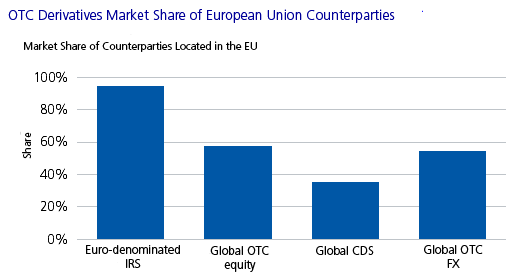
European Union market participants form a significant share of each of the derivatives markets, more than half of the global markets in OTC equity and FX derivatives. The IRS markets already have a high proportion of counterparty clearing (68%), so Celent believes that the highest impact of the regulation will be on the CDS and FX markets in Europe.
“The financial implications of the EMIR reforms are expected to be far-reaching,” says Anshuman Jaswal, Celent Senior Analyst and author of the report. “EMIR will also drive some significant IT investment in 2012 for market participants.”
This report looks at the current size and attributes of the global and the European market in the overview. It also covers the main features of EMIR and the timeline for its implementation, besides gauging the impact of the regulation on the various market participants and issues that could impact the viability of not just the CCPs but also the end users of the derivatives. EMIR also addresses the issue of interoperability of CCPs in cash markets, but this report focuses mainly on the derivatives aspect of the regulation.